
What is a normal range for blood glucose levels?

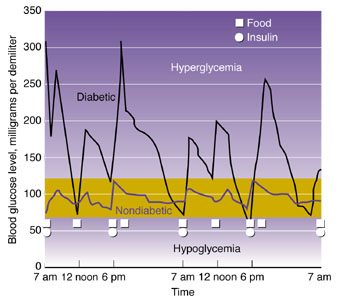
What is a normal range for blood glucose levels? Typically on average for blood glucose levels are between 70 and 110. For some people this may not always be the case due to many leading factors that are taken into consideration such as body weight, family history, age and gender. A blood sugar level of 30 of below can send a person into a diabetic shock or coma and if left untreated for long periods of time can cause medical problems that can end up being detrimental to a person and even lead to kidney…
Continue ReadingWhat is a normal range for blood glucose levels?

What is a Good Blood Sugar Level?

What is a good blood sugar level? This is becoming a question that is being asked more and more often in doctor’s offices and other healthcare facilities all across the globe. In most places heart disease, stroke, and cancer rates are on the decline, but the numbers of new cases of diabetes continue to rise each year. Not long ago, very few people would have ever thought to ask such a question as “what is a good blood sugar level?” but nowadays the question may be the answer to the difference between a long and…

Continue ReadingWhat is a Good Blood Sugar Level?

Using Blood Glucose Charts

blood glucose charts

Diabetes is quickly becoming one of the greatest health care concerns of modern times, and if you are a diabetic the best way to keep a handle on your diabetes is by keeping track of your blood sugar by using blood glucose charts. Diabetes, if not properly treated, can lead to heart problems, kidney failure, peripheral neuropathy, coma, and even death. The only way to keep these things from happening is to keep your blood sugar as close to normal as possible for as much of the time as possible and this can be done with blood glucose charts. (more…)

Continue ReadingUsing Blood Glucose Charts

The Normal Glucose Level in Blood

Normal Glucose Level in Blood

Maintaining the normal glucose level in blood has become more important than ever for a growing number of people. Even as heart disease, stroke, and stroke levels continue to decline the number of people affected by diabetes is rising by leaps and bounds. Diabetes, if not properly treated, can result in kidney failure, heart disease, liver problems, glaucoma, peripheral neuropathy, wounds that won’t heal, and an entire host of other health problems. Though there is, as yet, no cure for diabetes the key to managing the disease and stopping the worst effects is maintaining a normal glucose level in blood. (more…)

Continue ReadingThe Normal Glucose Level in Blood

The Diabetes Educator Certification

Diabetes Educator CertificationThough death and disability from heart disease, cancer and stroke are on the decline the number of lives affected by diabetes has continued to rise in recent years, this has made the diabetes educator certification more important than ever.

Diabetes, if untreated or poorly managed, can lead to blindness, peripheral neuropathy, kidney failure, and heart disease just to name a few of the detrimental effects of the disease, and this makes certified diabetes educator a very valuable asset when it comes to combating the dreaded disease.

Diabetes educator requirements are that the person be a registered nurse, pharmacist, dietitian or otherwise educated healthcare professional. (more…)

Continue ReadingThe Diabetes Educator Certification